The industrial world is entering a new era with the rise of Industry 5.0, a paradigm shift that focuses on human-centric, sustainable, and resilient manufacturing. Unlike Industry 4.0, which emphasized automation, IoT, and smart machines, Industry 5.0 brings humans back to the center of production while leveraging advanced technologies to improve efficiency, quality, and innovation.
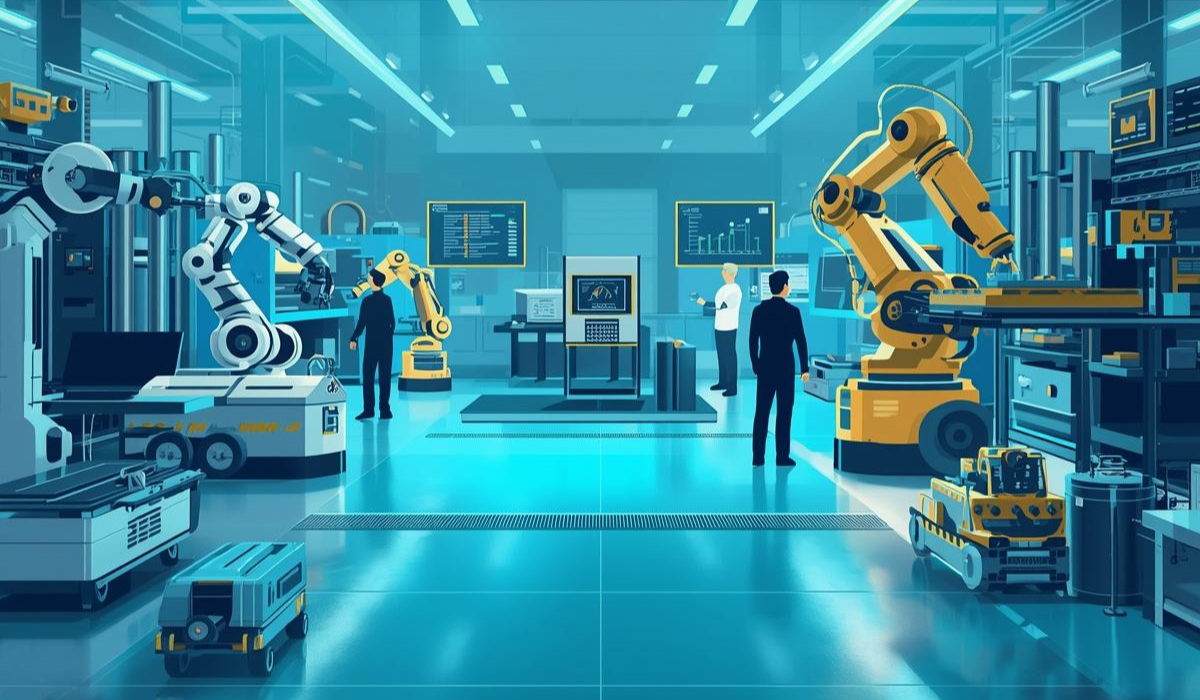
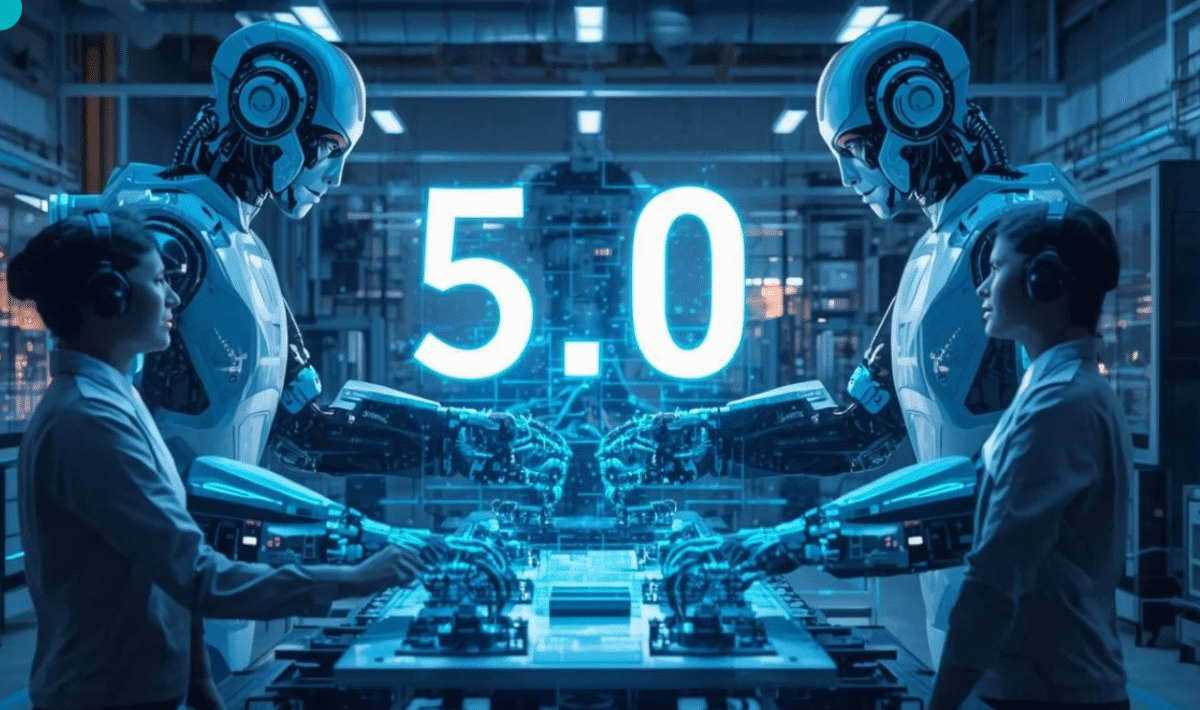
Industry 5.0 is defined by the collaboration between humans and intelligent machines. Rather than replacing workers, this approach integrates human creativity and decision-making with the precision, speed, and reliability of robotics and AI. Modern factories are becoming more flexible, adaptable, and capable of producing highly customized products at scale. The synergy between humans and machines is shaping the next generation of manufacturing.
Key technologies driving Industry 5.0 include collaborative robots (cobots), artificial intelligence (AI), digital twins, augmented reality (AR), and advanced sensors. Cobots work alongside humans to handle repetitive, dangerous, or high-precision tasks, freeing employees to focus on creativity, problem-solving, and quality control. AI analyzes massive amounts of production data to optimize processes, predict maintenance needs, and reduce waste. Digital twins allow engineers to simulate and test production lines in a virtual environment, accelerating innovation and minimizing downtime.
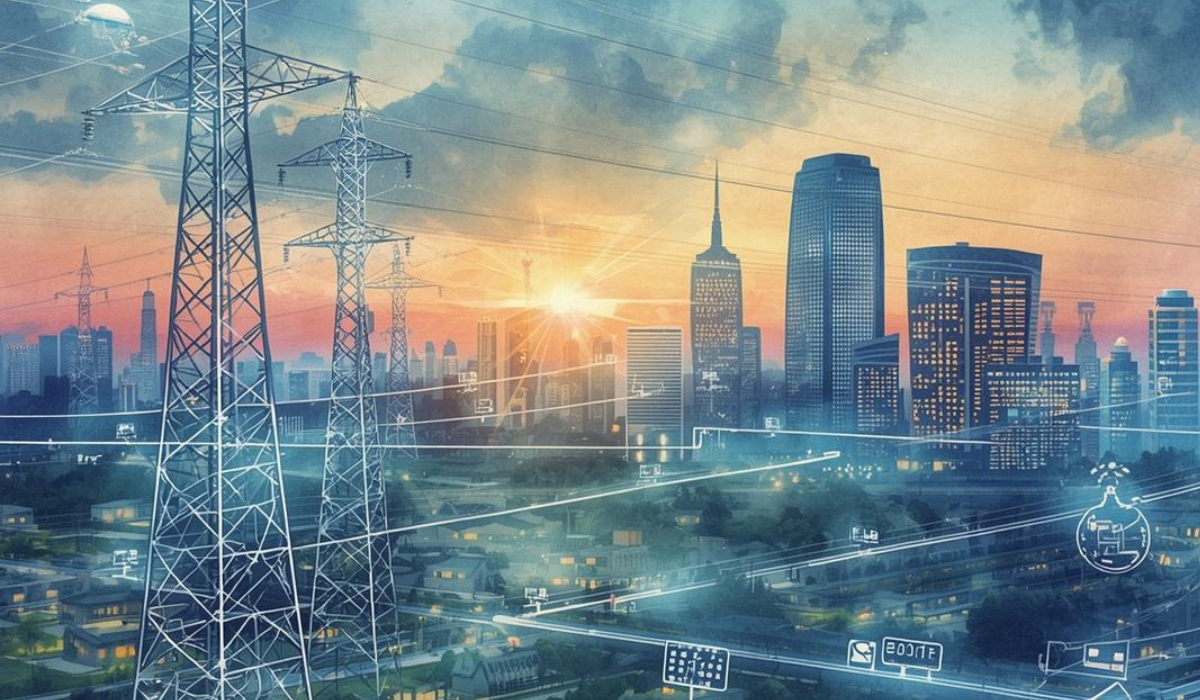
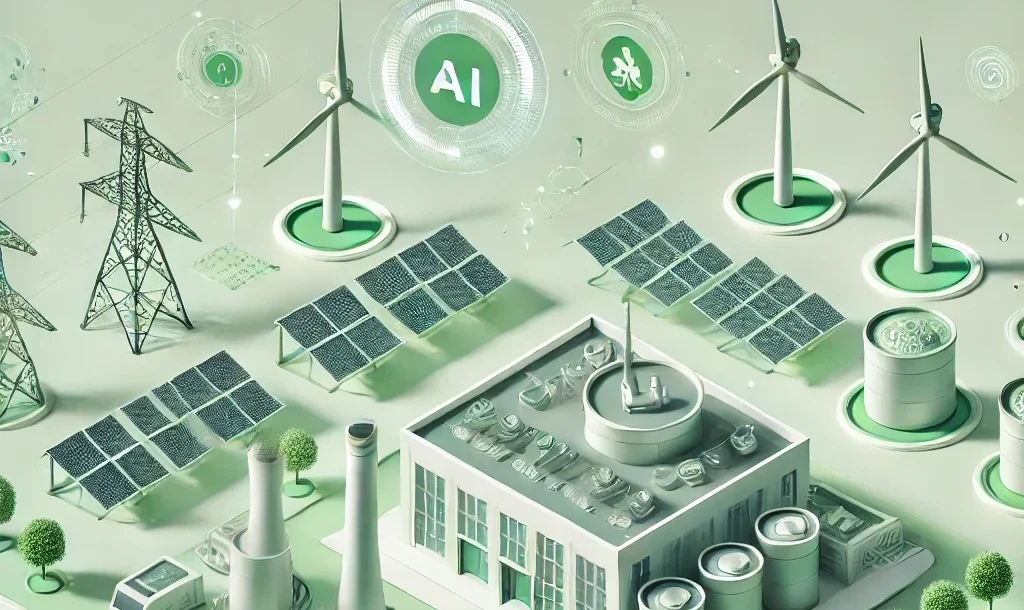
Sustainability is also a core principle of Industry 5.0. Factories are integrating green technologies, energy-efficient systems, and circular economy practices to reduce environmental impact. Real-time monitoring and AI-driven analytics help manufacturers optimize energy use, minimize waste, and enhance the overall sustainability of production processes. Industry 5.0 combines efficiency with environmental responsibility, creating factories that are both productive and eco-friendly.
Another transformative element is hyper-personalization. With Industry 5.0 technologies, manufacturers can quickly adapt production to customer needs, creating customized products without sacrificing efficiency. Smart factories leverage connected systems, IoT, and AI algorithms to design, produce, and deliver tailored products faster than ever before. This shift empowers companies to meet evolving market demands while maintaining high standards of quality.
In conclusion, Industry 5.0 is not just a technological evolution, but a human-centric revolution. It combines the best of advanced technologies with human ingenuity to create smarter, more sustainable, and highly adaptive factories. The factories of tomorrow will be collaborative, resilient, and capable of producing personalized solutions at scale, redefining the future of manufacturing.