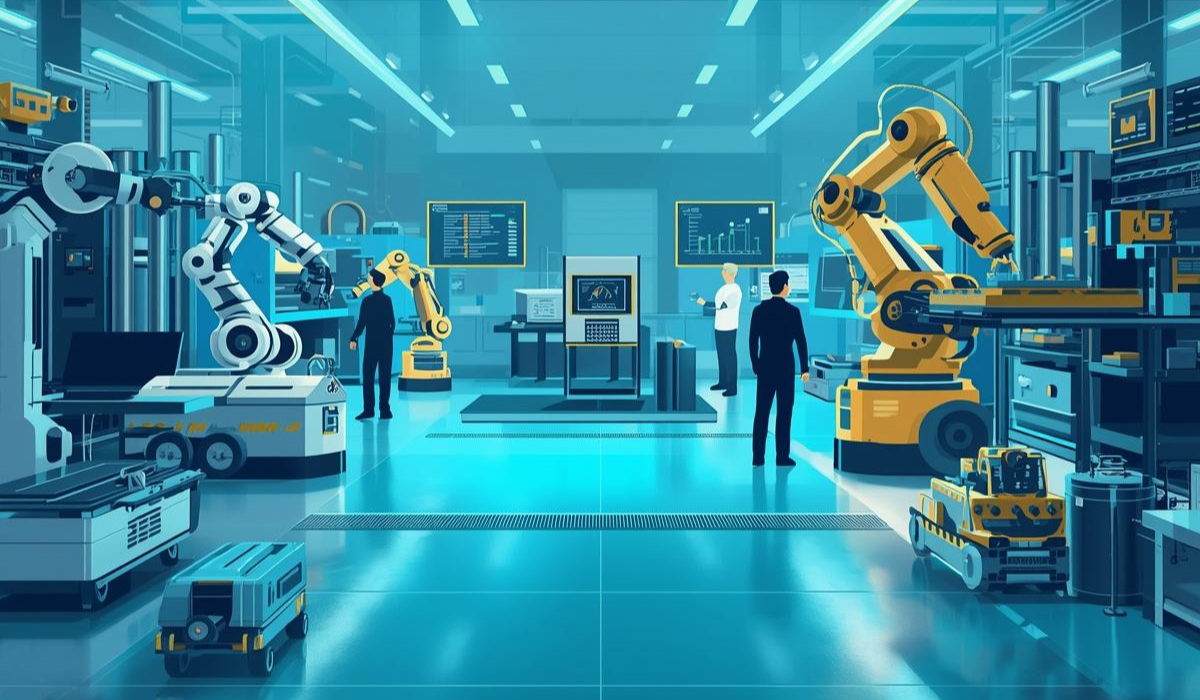
As energy costs continue to rise and sustainability becomes a global priority, artificial intelligence (AI) is emerging as one of the most powerful tools to optimize energy consumption in modern factories. Today, industrial environments are increasingly adopting intelligent systems capable of analyzing data, predicting needs, and automating decisions to eliminate waste and improve overall energy efficiency.
With AI, factories are shifting from reactive energy management to proactive and predictive optimization. They can forecast consumption peaks, adjust machinery in real time, and uncover inefficiencies that humans often cannot detect.
1. Real-time AI Optimization for Energy Efficiency
Industrial systems generate massive amounts of data through sensors, PLCs, SCADA systems and connected machines. AI analyzes this data in real time to:
- adjust the speed of motors, drives, and conveyors
- optimize industrial lighting and HVAC systems based on activity
- adapt machine consumption to the production load
- detect abnormal or inefficient energy patterns early
This alone can lead to a 10–30% reduction in total energy consumption, according to industrial energy studies.
2. Predictive Maintenance: Eliminating Hidden Energy Losses
A poorly maintained or worn-out machine can consume far more energy than necessary.
With machine learning, predictive maintenance systems detect:
- overheating motors
- excessive vibration
- abnormal energy spikes
- inefficient production cycles
By predicting anomalies early, factories can schedule targeted maintenance actions, reducing:
- energy loss
- unexpected breakdowns
- maintenance costs
3. AI for Industrial Process Optimization
Energy optimization goes beyond machinery; it also involves optimizing the entire production process.
AI algorithms analyze material flows, production cycles, and interactions between different systems to recommend better operating parameters.
Examples include:
- automatically adjusting furnace heating parameters
- optimizing cooling systems
- removing unnecessary production cycles
These small but continuous improvements create significant long-term energy savings.
4. Digital Twins: Testing Energy Savings Before Implementation
Digital twins allow factories to simulate equipment, processes, or entire production lines in a virtual environment.
With AI integration, manufacturers can:
- test different energy-saving scenarios
- forecast achievable energy reductions
- validate machine settings before applying them
- avoid costly trial-and-error
This helps decision-makers adopt changes based on accurate, data-driven insights.
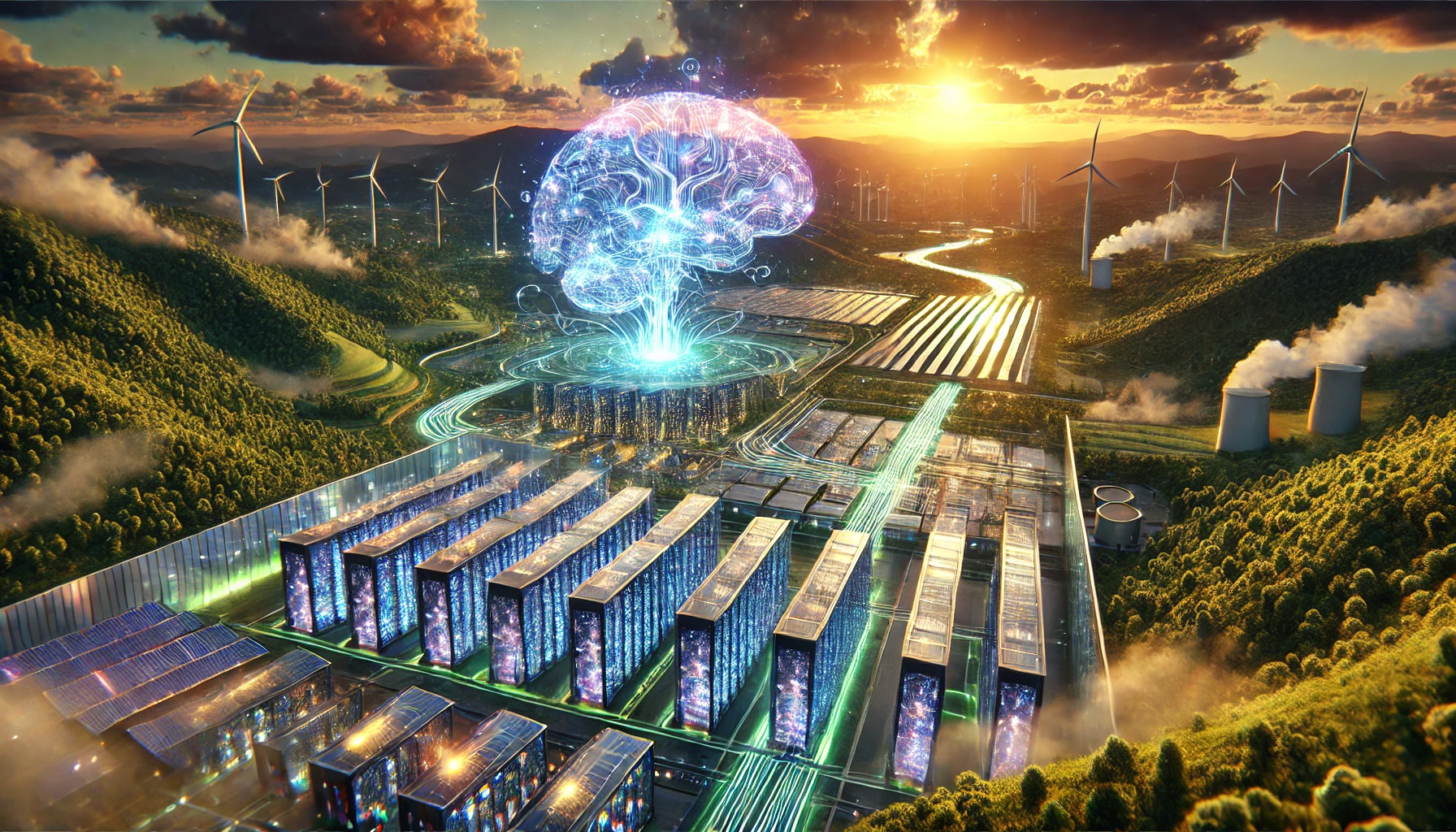
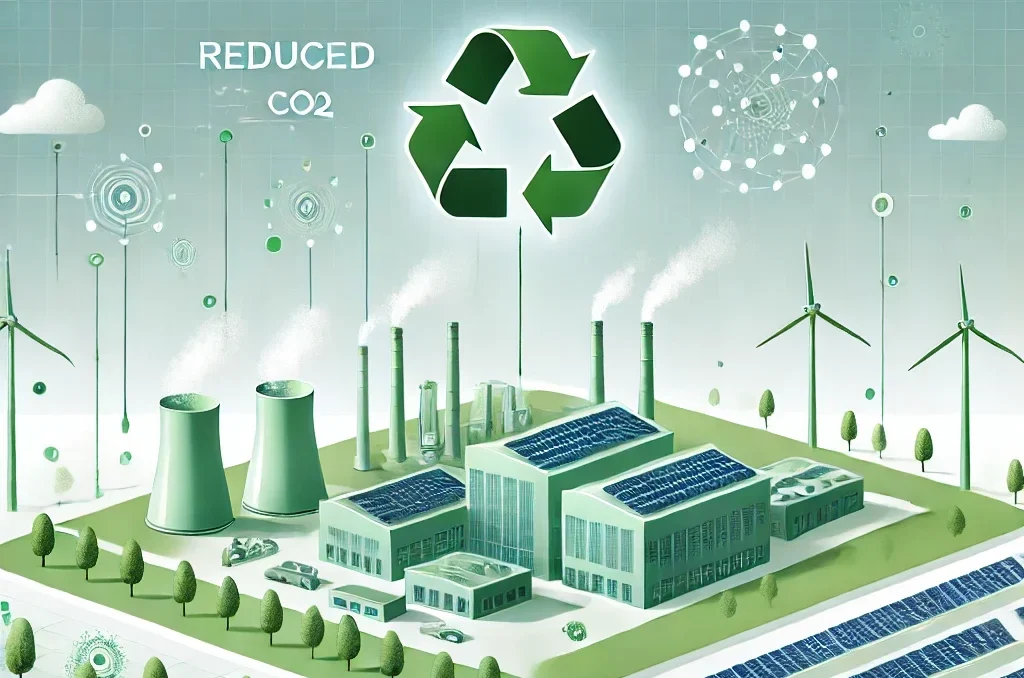
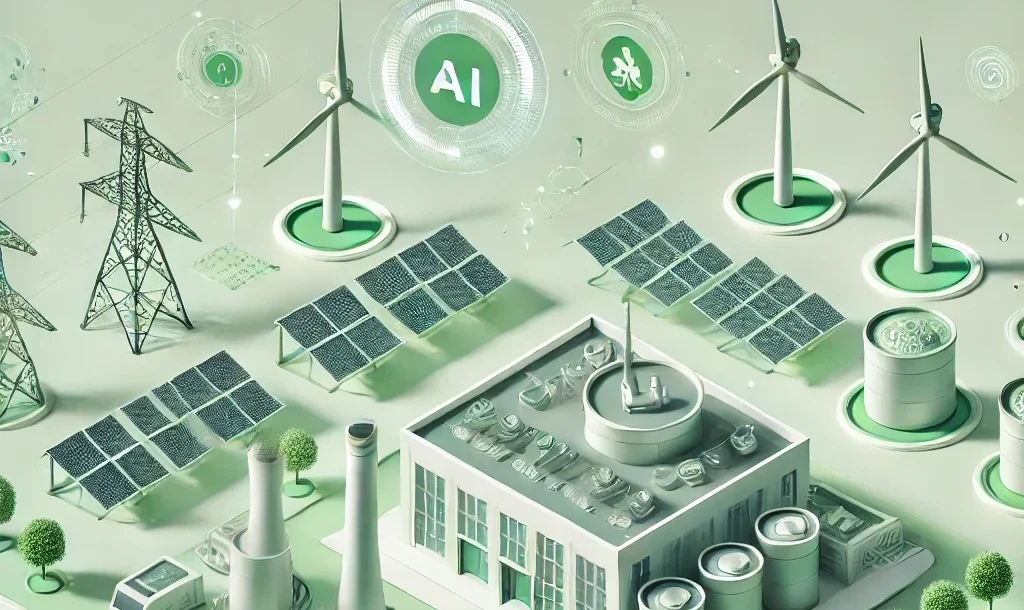
5. AI and Renewable Energy in Smart Factories
Many modern factories now produce part of their own energy, using technologies such as solar panels, wind turbines, and cogeneration systems. AI helps to:
- optimize self-consumption
- predict renewable energy generation
- store energy at the right moment
- reduce dependence on the external power grid
This intelligent energy management strategy makes factories more sustainable and more resilient in a volatile energy market.
Conclusion
Artificial intelligence is no longer an experimental tool—it has become an essential driver for reducing energy costs, improving industrial efficiency, and accelerating the shift toward sustainable manufacturing.
Whether you are a professional or a student, understanding how AI transforms industrial energy management is crucial. Factories that invest in smart technologies today are building a future that is more competitive, autonomous, and environmentally responsible.