With the growing demand for electricity, the integration of renewable energy sources, and the need for a more reliable grid, traditional electricity networks are no longer sufficient. This is where Smart Grids have emerged as a key innovation to modernize energy distribution and management.
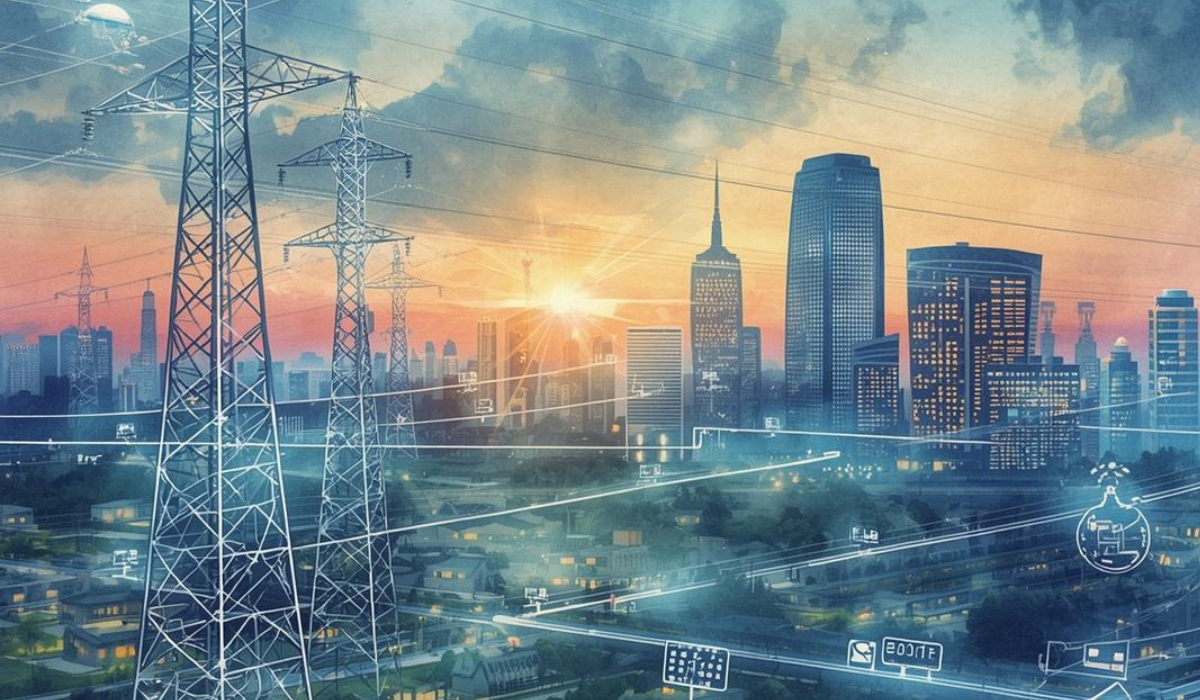
Smart Grids use advanced technologies such as artificial intelligence, IoT, smart sensors, and real-time data to make networks more flexible, efficient, and sustainable. They enable a dynamic balance between production, distribution, and consumption — a crucial evolution for the global energy landscape.
1. What is a Smart Grid?
A Smart Grid is an electricity network that can monitor, predict, and adjust energy flows in real time. Unlike traditional grids, which rely on one-way energy flow from power plants to consumers, Smart Grids integrate bi-directional communication. This allows utilities to respond to fluctuations in demand and supply, reducing energy waste and preventing blackouts.
2. Key Technologies Behind Smart Grids
Several technologies drive the intelligence of modern grids:
- IoT sensors: Monitor voltage, current, and power quality across the grid.
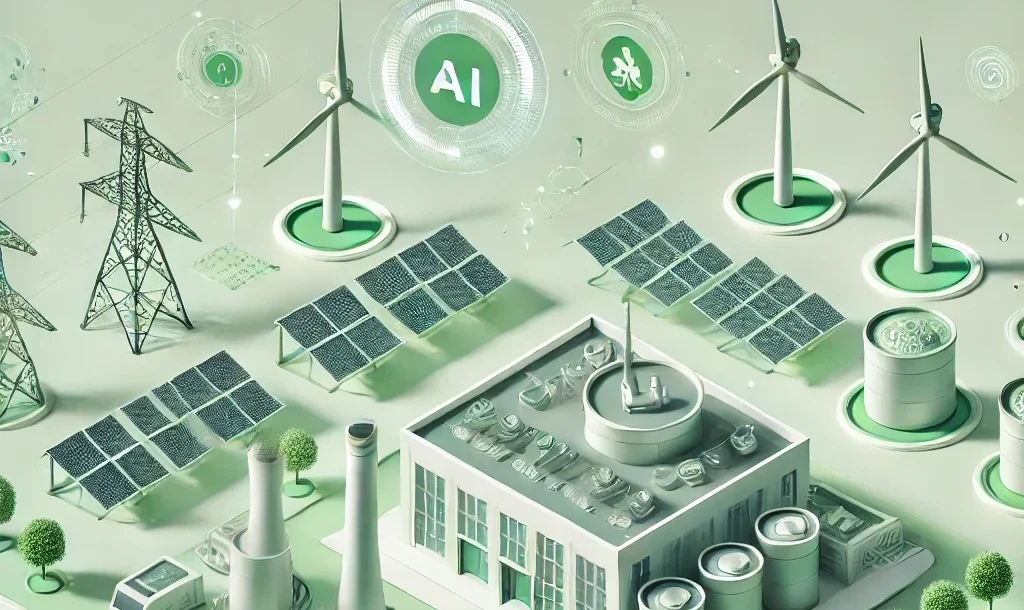
- Artificial intelligence and machine learning: Analyze data, predict demand, and optimize energy distribution.
- Smart meters: Allow consumers and utilities to track consumption in real time.
- Energy storage systems: Batteries and other storage solutions balance supply from intermittent renewable sources.
- Demand response systems: Shift energy usage patterns to avoid peaks and maintain grid stability.
These technologies make energy management proactive rather than reactive, improving efficiency and reliability.
3. Benefits of Smart Grids
Smart Grids provide a wide range of advantages:
- Energy efficiency: Reduce losses and optimize electricity use.
- Integration of renewables: Support solar, wind, and other variable energy sources.
- Improved reliability: Detect and isolate faults faster to prevent blackouts.
- Cost savings: Reduce operational costs for utilities and energy bills for consumers.
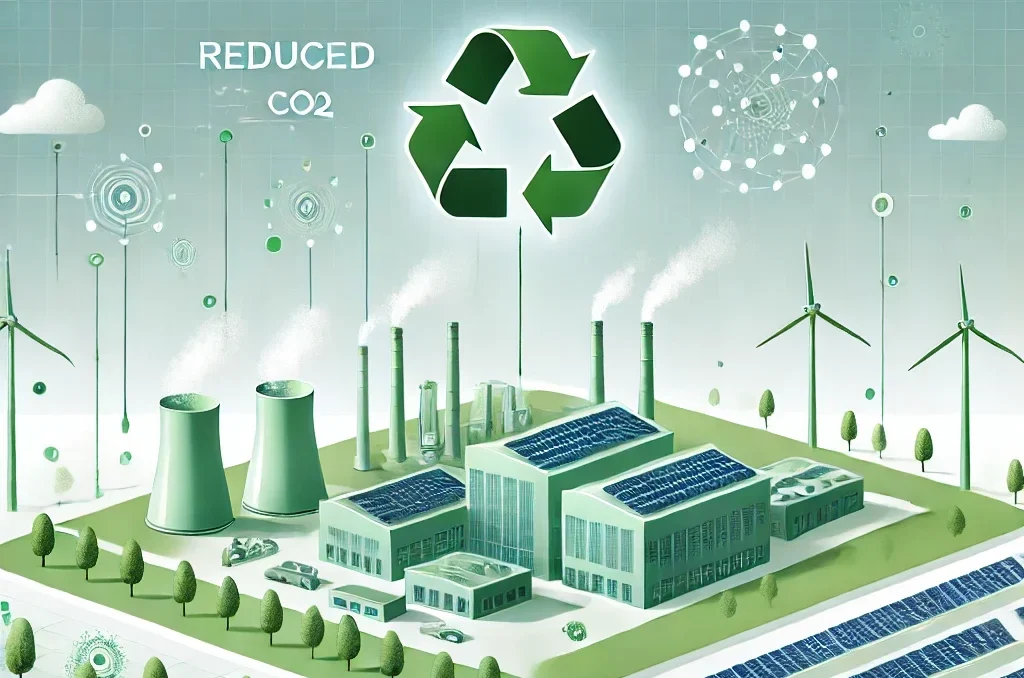
- Environmental impact: Lower carbon emissions by promoting cleaner energy sources and efficient energy usage.
4. Smart Grids and the Future of Energy
As urbanization and renewable energy adoption increase, Smart Grids will play a critical role in creating sustainable, resilient, and intelligent energy systems. They allow utilities to integrate new technologies, support electric vehicles, and empower consumers with greater control over their energy consumption.
The shift toward Smart Grids is not just technological — it’s transforming the way energy is produced, distributed, and consumed, laying the foundation for a smarter and greener future.