As climate change continues to intensify, industries around the world are facing increasing pressure to reduce their environmental impact. Carbon neutrality has become a central objective for industrial companies seeking to remain competitive and compliant with global regulations. Companies must now adopt cleaner, more efficient, and more sustainable practices to meet rising expectations from governments, consumers, and international frameworks.
For the industrial sector, carbon neutrality means balancing the CO₂ emitted during production with the amount that can be reduced, captured, or compensated. Achieving carbon neutrality requires deep transformations in production processes, energy management, and organizational strategies. This shift demands new technologies, more efficient methods, and a long-term sustainability vision.
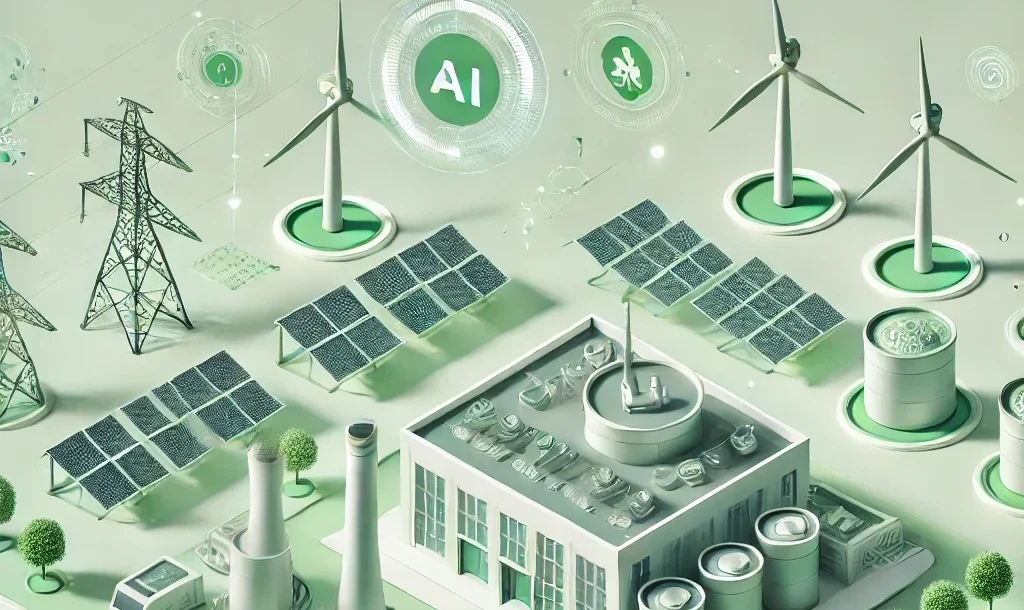
One of the most effective levers for reducing industrial emissions is the shift to cleaner energy sources. Industries are increasingly replacing fossil fuels with renewable energy such as solar, wind, and hydropower. Electrification of processes, high-efficiency electric motors, and on-site renewable installations reduce dependence on carbon-intensive energy. Energy storage systems add stability and flexibility to industrial operations.
Digital transformation also plays a crucial role in decarbonization. Artificial intelligence, IoT sensors, predictive maintenance, and digital twins enable precise measurement and continuous optimization of energy consumption. AI can predict energy needs and eliminate waste, while IoT devices monitor machines and emissions in real time. Digital twins help identify the most energy-efficient strategies before deploying them in real production environments.
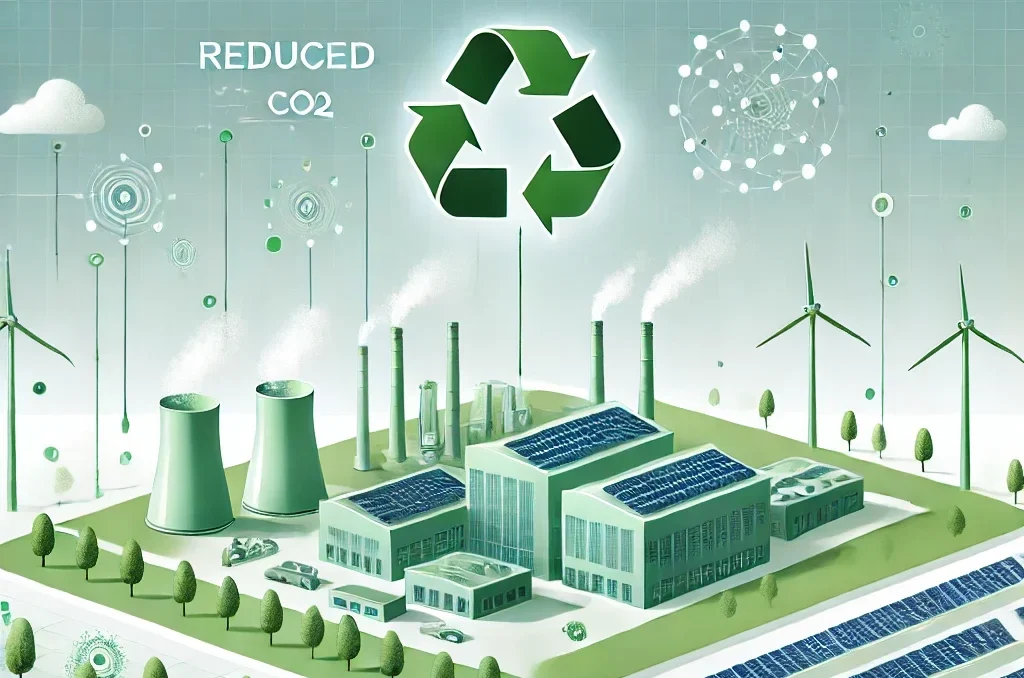
Adopting a circular economy model contributes significantly to lowering emissions. Industries are moving from a linear model to a circular approach where materials are reused, recycled, and recovered whenever possible. This reduces waste, minimizes the carbon footprint, and decreases operational costs. Efficient resource management becomes a key advantage in sustainable industrial development.
Supply chains are also undergoing transformation. A large share of industrial emissions comes from logistics, transportation, and raw material sourcing. Companies are now selecting eco-responsible suppliers, optimizing routes with AI, and adopting electric or hydrogen-powered transportation. Sustainable supply chains improve environmental performance and strengthen resilience in a fluctuating global market.
For emissions that cannot be fully eliminated, industries turn to compensation and capture solutions. Carbon capture and storage (CCS) and carbon capture and utilization (CCU) technologies allow companies to trap and repurpose CO₂ directly from industrial processes. Many organizations also participate in certified carbon offset programs such as reforestation projects to reach net-zero goals.
Industries that adapt to carbon neutrality are building a cleaner, smarter, and more resilient future. By integrating renewable energy, digital intelligence, circular practices, and sustainable supply chains, they are shaping the next generation of industrial strategy and competitiveness.