Artificial Intelligence (AI) is transforming the modern world. From voice assistants and recommendation systems to medical diagnostics and autonomous vehicles, AI technologies are rapidly becoming part of everyday life. While the benefits of AI are enormous, the rapid expansion of the AI industry also raises an important question: What impact does AI have on the environment?
As companies and governments invest heavily in AI development, it is becoming increasingly important to understand both the opportunities and the environmental costs associated with this powerful technology.
The Growing Energy Demand of AI
AI systems require significant computational power. Training large AI models often involves processing massive datasets using powerful hardware in large data centers. These data centers consume enormous amounts of electricity to power servers and keep them cool.
For example, training advanced machine learning models can require thousands of high-performance GPUs running for days or even weeks. As AI models grow larger and more complex, their energy consumption also increases. This rising demand contributes to higher electricity usage and, in some cases, increased carbon emissions—especially when the electricity comes from fossil fuels.
Data Centers and Carbon Footprint
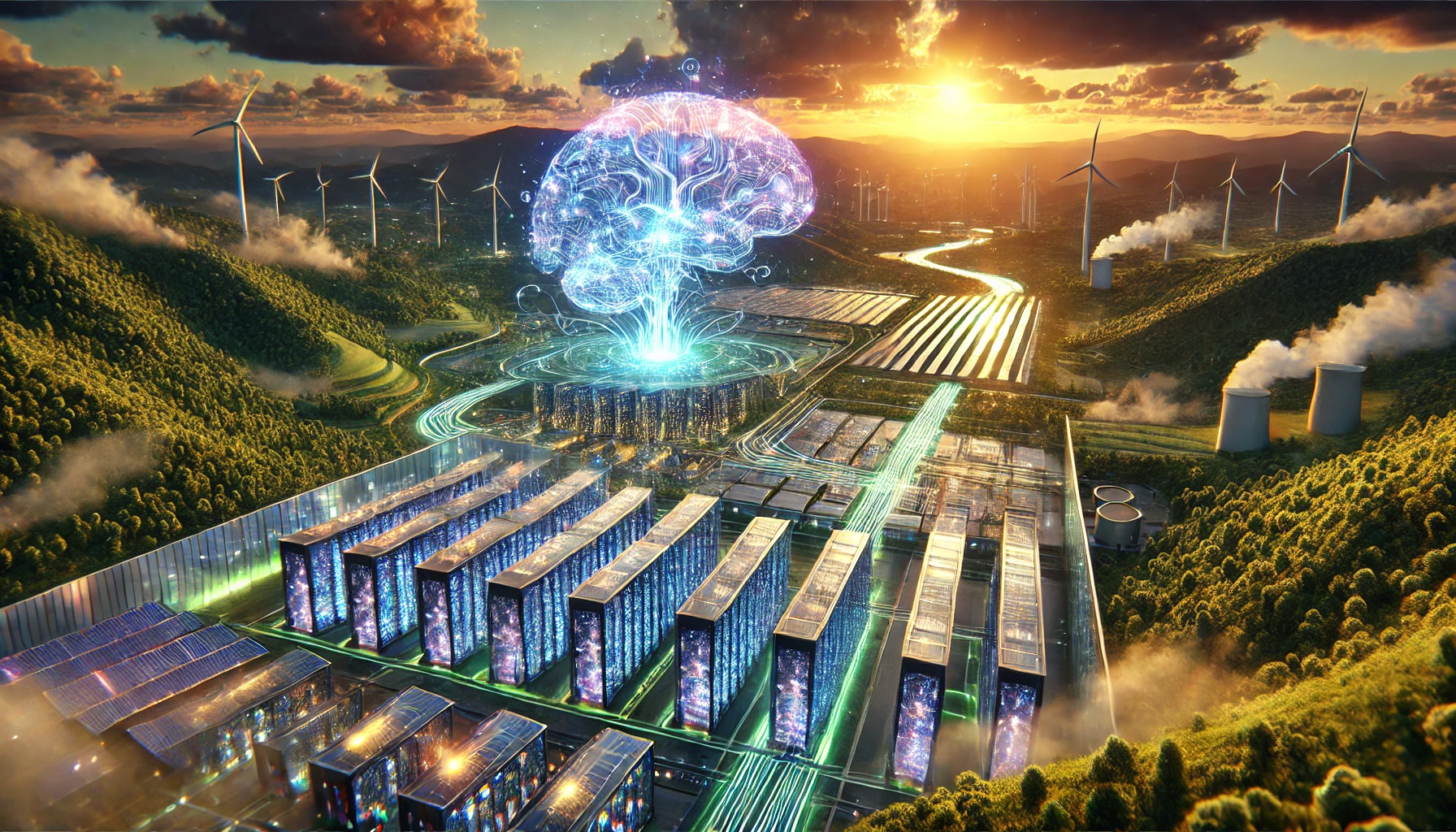
The backbone of the AI industry is the global network of data centers. These facilities store data and run the algorithms that power AI services. However, data centers require constant cooling systems and uninterrupted power supplies, which significantly increases their environmental footprint.
According to various studies, data centers already account for a noticeable percentage of global electricity consumption. With AI adoption accelerating, the demand for computing infrastructure is expected to grow even further.
Hardware Production and Electronic Waste
Another environmental concern is the production of specialized hardware used for AI, such as GPUs, TPUs, and advanced processors. Manufacturing these components requires rare minerals, water, and energy. The extraction and processing of these materials can cause environmental degradation and pollution.
Additionally, rapid technological advancement means that hardware becomes obsolete quickly. This leads to electronic waste (e-waste), which is one of the fastest-growing waste streams in the world.
How AI Can Help the Environment
Despite these challenges, AI also offers powerful tools to help address environmental issues. In fact, many experts believe AI could play a key role in building a more sustainable future.
AI is already being used to:
- Optimize energy consumption in buildings and industries
- Improve renewable energy forecasting for solar and wind power
- Monitor deforestation and biodiversity using satellite imagery
- Optimize transportation routes to reduce fuel consumption
- Support climate research and environmental modeling
These applications show that AI can help reduce emissions and improve resource efficiency when used responsibly.
Building Sustainable AI
To reduce the environmental impact of AI, the industry is starting to explore several solutions:
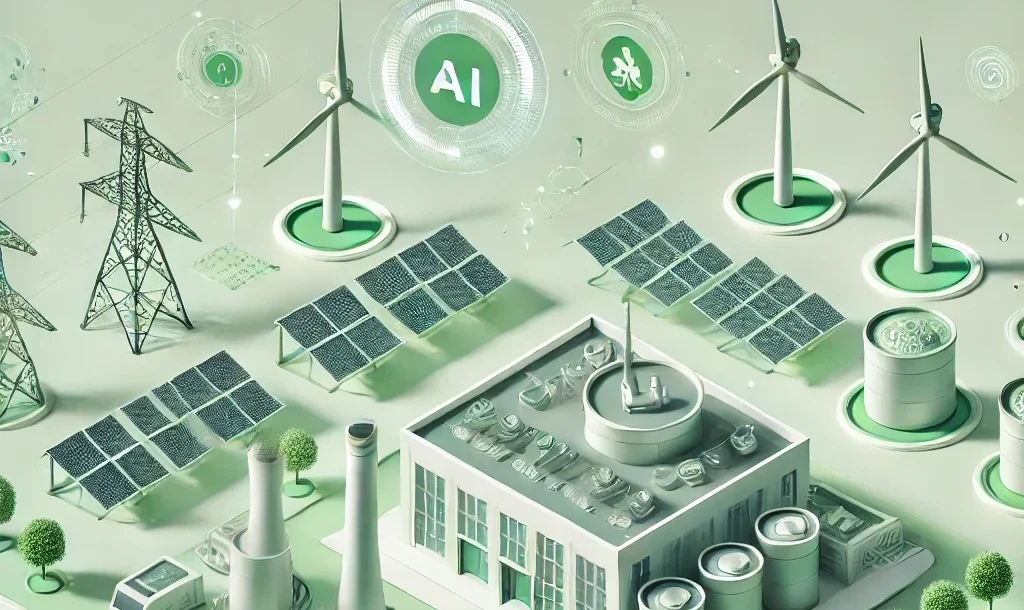
- Green data centers powered by renewable energy
- More efficient algorithms that require less computational power
- Energy-efficient hardware designed specifically for AI workloads
- Recycling and better management of electronic waste
Many technology companies are also committing to carbon-neutral or carbon-negative operations to offset their environmental impact.
Conclusion
Artificial Intelligence is one of the most transformative technologies of our time. However, like many technological revolutions, it comes with environmental costs. The growing demand for energy, computing infrastructure, and hardware production highlights the need for more sustainable AI development.
The future of AI should not only focus on innovation and performance but also on efficiency, sustainability, and responsible use of resources. If developed carefully, AI has the potential not only to transform industries but also to help protect the planet.